Table of Contents
Table of Contents
Introduction
2. Common Causes of Cooling Problems
Common Causes of Cooling Problems
3. How to Check Your Refrigerator Settings
How to Check Your Refrigerator Settings
4. Signs of a Failing Compressor
Signs of a Failing Compressor
5. Simple Fixes You Can Try at Home
Simple Fixes You Can Try at Home
6. When to Call a Professional Technician
When to Call a Professional Technician
7. How to Prevent Future Refrigerator Problems
How to Prevent Future Refrigerator Problems
8. Conclusion
Conclusion
Introduction
Introduction
A refrigerator that isn’t cooling properly can turn into a serious problem very quickly. Food spoils, drinks become warm, and your daily routine gets disrupted. Many homeowners panic when this happens, but in most cases, the issue has common causes that can be diagnosed early.
In this article, we’ll explain the most frequent reasons your refrigerator stops cooling and what you can do before calling a professional technician.
A refrigerator that isn’t cooling properly can turn into a serious problem very quickly. Food spoils, drinks become warm, and your daily routine gets disrupted. Many homeowners panic when this happens, but in most cases, the issue has common causes that can be diagnosed early.
In this article, we’ll explain the most frequent reasons your refrigerator stops cooling and what you can do before calling a professional technician.
Common Reasons Your Refrigerator Isn’t Cooling
Common Reasons Your Refrigerator Isn’t Cooling
1. Dirty Condenser Coils
1. Dirty Condenser Coils
Condenser coils release heat from your refrigerator. Over time, dust and dirt build up on these coils, causing the system to work harder and cool less efficiently.
If the coils are clogged, your fridge may:
Feel warm inside
Run constantly
Make louder than usual noises
Cleaning the coils once every 6–12 months can prevent this issue.
Condenser coils release heat from your refrigerator. Over time, dust and dirt build up on these coils, causing the system to work harder and cool less efficiently.
If the coils are clogged, your fridge may:
Feel warm inside
Run constantly
Make louder than usual noises
Cleaning the coils once every 6–12 months can prevent this issue.
2. Blocked Air Vents
2. Blocked Air Vents
Cold air needs to circulate freely between the freezer and fridge compartments. When air vents are blocked by food containers or frozen ice, cooling becomes uneven.
Signs of blocked airflow:
• One section cold, another warm
• Ice buildup near vents
• Weak air circulation
Make sure vents aren’t covered by large items.
Cold air needs to circulate freely between the freezer and fridge compartments. When air vents are blocked by food containers or frozen ice, cooling becomes uneven.
Signs of blocked airflow:
• One section cold, another warm
• Ice buildup near vents
• Weak air circulation
Make sure vents aren’t covered by large items.
3. Faulty Evaporator Fan
3. Faulty Evaporator Fan
The evaporator fan pushes cold air throughout the refrigerator. If the fan stops working, the freezer may stay cold while the fridge section becomes warm.
You may notice:
• Strange buzzing or humming sounds
• Warm refrigerator area
• Ice buildup in the freezer
This problem usually requires professional repair.
The evaporator fan pushes cold air throughout the refrigerator. If the fan stops working, the freezer may stay cold while the fridge section becomes warm.
You may notice:
• Strange buzzing or humming sounds
• Warm refrigerator area
• Ice buildup in the freezer
This problem usually requires professional repair.
4. Broken Thermostat
4. Broken Thermostat
The thermostat controls the temperature of your refrigerator. If it fails, the compressor won’t start at the right time, and cooling becomes inconsistent.
Symptoms include:
• Fluctuating temperatures
• Food freezing in the fridge
• Fridge not cooling at all
A faulty thermostat typically needs replacement.
The thermostat controls the temperature of your refrigerator. If it fails, the compressor won’t start at the right time, and cooling becomes inconsistent.
Symptoms include:
• Fluctuating temperatures
• Food freezing in the fridge
• Fridge not cooling at all
A faulty thermostat typically needs replacement.
5. Low Freon or Sealed System Problems
5. Low Freon or Sealed System Problems
In rare cases, refrigerant leaks or sealed system issues can cause complete cooling failure. These problems should only be handled by licensed technicians.
Warning signs:
• Oily residue near pipes
• Hissing sounds
• Complete loss of cooling
In rare cases, refrigerant leaks or sealed system issues can cause complete cooling failure. These problems should only be handled by licensed technicians.
Warning signs:
• Oily residue near pipes
• Hissing sounds
• Complete loss of cooling
What You Can Check Yourself
What You Can Check Yourself
Before calling a technician, try these quick checks:
Before calling a technician, try these quick checks:
• Ensure the fridge is properly plugged in
• Check if the temperature settings were accidentally changed
• Clean visible dust from condenser coils
• Make sure vents are not blocked by food
• Ensure the fridge is properly plugged in
• Check if the temperature settings were accidentally changed
• Clean visible dust from condenser coils
• Make sure vents are not blocked by food
These small steps can sometimes solve the problem immediately.
These small steps can sometimes solve the problem immediately.
When to Call a Professional
When to Call a Professional
You should contact a professional appliance technician if:
You should contact a professional appliance technician if:
• The refrigerator still doesn’t cool after basic checks
• You hear strange grinding or buzzing noises
• Your freezer works but the fridge section stays warm
• There are signs of leaks or chemical smells
• The refrigerator still doesn’t cool after basic checks
• You hear strange grinding or buzzing noises
• Your freezer works but the fridge section stays warm
• There are signs of leaks or chemical smells
Quick professional diagnosis can save you from expensive long-term damage.
Quick professional diagnosis can save you from expensive long-term damage.
Final Thoughts
Final Thoughts
A refrigerator that isn’t cooling properly doesn’t always mean expensive repairs. Many problems are caused by simple maintenance issues that can be prevented with regular cleaning and inspections.
A refrigerator that isn’t cooling properly doesn’t always mean expensive repairs. Many problems are caused by simple maintenance issues that can be prevented with regular cleaning and inspections.
If your refrigerator still isn’t working correctly, it’s best to call a certified technician to ensure safe and reliable repair.
If your refrigerator still isn’t working correctly, it’s best to call a certified technician to ensure safe and reliable repair.

Need professional help?
Need professional help?
Contact 21 Home Appliance Repair for fast, reliable refrigerator repair and same-day service.
Contact 21 Home Appliance Repair for fast, reliable refrigerator repair and same-day service.
Helpful Topics
Helpful Topics
20.01.2026
Dryer Not Heating? Here’s What to Check
A dryer that runs but doesn’t produce heat can be very frustrating. This issue is often related to heating elements, thermal fuses, or blocked vents…
20.01.2026
Washing Machine Making Loud Noises?
Loud banging or shaking during the spin cycle is one of the most common washer problems. It can be caused by unbalanced loads, worn parts, or installation issues…
20.01.2026
Why Your Refrigerator Is Not Cooling Properly
When your fridge stops cooling, spoiled food and frustration quickly follow. The problem is often caused by airflow issues, dirty coils, or faulty components…
20.01.2026
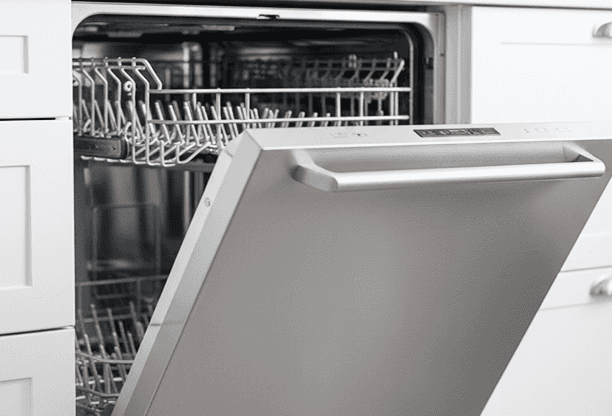
How to Fix a Dishwasher That Won’t Drain
Standing water at the bottom of your dishwasher usually indicates a drainage problem. In many cases, the cause is a clogged filter, hose, or pump…
20.01.2026
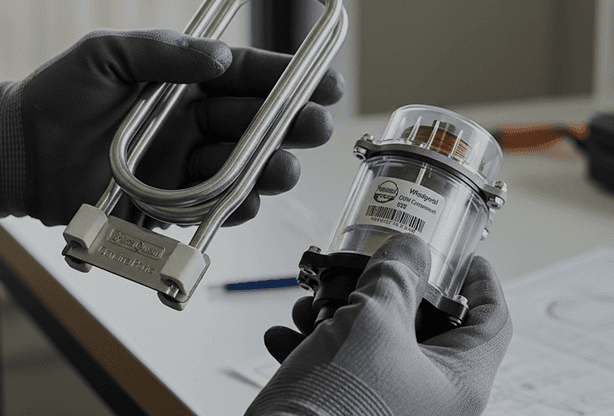
Why Your Washer Smells Bad
A bad smell coming from your washing machine is often a sign of mold or trapped moisture. Without proper cleaning, bacteria and residue can quickly build up…'
20.01.2026
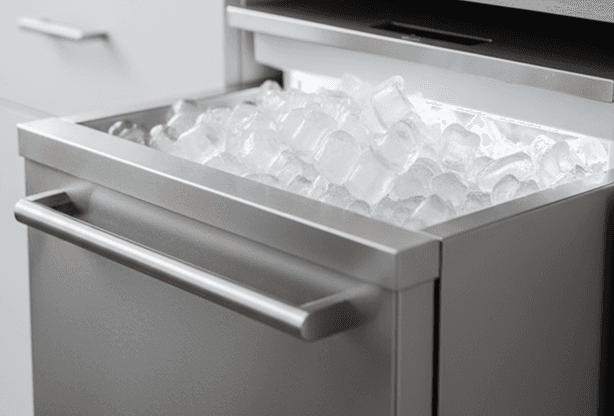
Ice Maker Not Working?
When your ice maker stops producing ice, the issue is usually linked to frozen water lines, faulty valves, or temperature problems inside the freezer…
20.01.2026
Dryer Not Heating? Here’s What to Check
A dryer that runs but doesn’t produce heat can be very frustrating. This issue is often related to heating elements, thermal fuses, or blocked vents…
20.01.2026
Washing Machine Making Loud Noises?
Loud banging or shaking during the spin cycle is one of the most common washer problems. It can be caused by unbalanced loads, worn parts, or installation issues…
20.01.2026
Why Your Refrigerator Is Not Cooling Properly
When your fridge stops cooling, spoiled food and frustration quickly follow. The problem is often caused by airflow issues, dirty coils, or faulty components…
20.01.2026
How to Fix a Dishwasher That Won’t Drain
Standing water at the bottom of your dishwasher usually indicates a drainage problem. In many cases, the cause is a clogged filter, hose, or pump…
20.01.2026
Why Your Washer Smells Bad
A bad smell coming from your washing machine is often a sign of mold or trapped moisture. Without proper cleaning, bacteria and residue can quickly build up…'
20.01.2026
Ice Maker Not Working?
When your ice maker stops producing ice, the issue is usually linked to frozen water lines, faulty valves, or temperature problems inside the freezer…
Service Area
Los Angeles County
Ventura County
Burbank
San Bernardino County
Pasadena
North Hollywood
Santa Barbara
Santa Monica
Beverly Hills
© 2026 21 Home Appliance Repair Inc | All Rights Reserved
Service Area
Los Angeles County
Ventura County
Burbank
San Bernardino County
Pasadena
North Hollywood
Santa Barbara
Santa Monica
Beverly Hills
© 2026 21 Home Appliance Repair Inc | All Rights Reserved